In the digital world, credibility often forms long before a conversation ever happens. Whether you’re a professional, freelancer, entrepreneur, or creative, people are searching for you online—and what they find shapes their first impression. The big question is: where does credibility really come from? Is it social media, or is it a personal website?
While both have value, they don’t play the same role. Understanding the difference can help you build trust faster and position yourself more effectively online.
The Appeal of Social Media
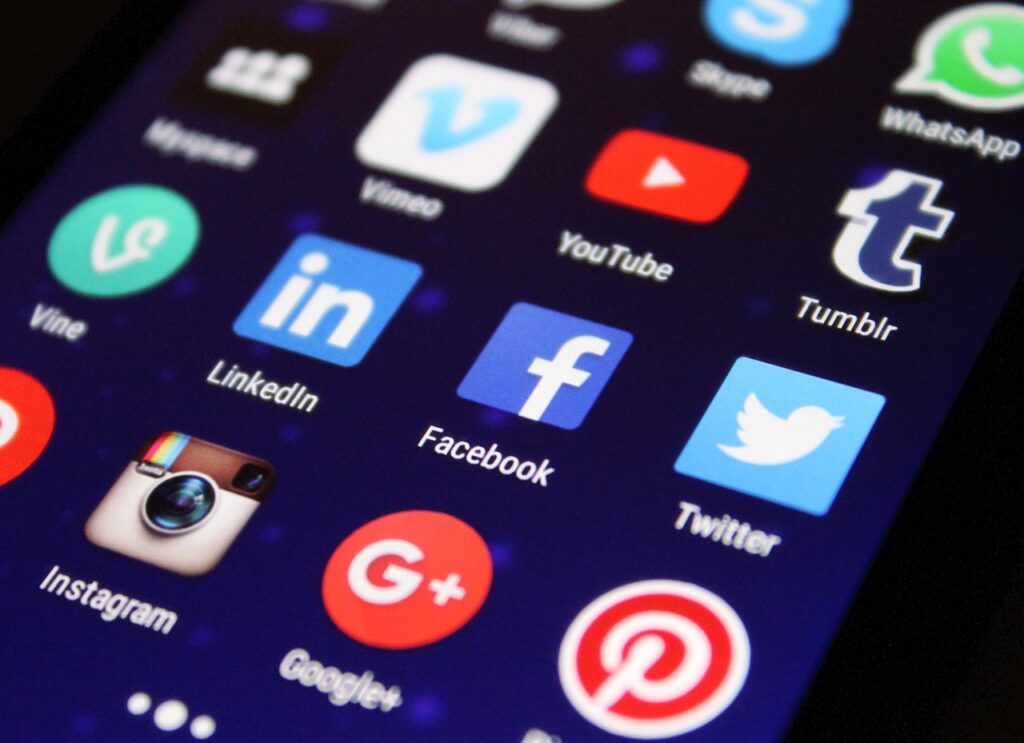
Social media platforms are everywhere. LinkedIn, Instagram, X, and TikTok offer instant visibility and easy ways to connect with an audience. They’re great for sharing ideas, engaging in conversations, and showing personality.
Social media excels at:
-
Reach and discovery – You can connect with people quickly.
-
Real-time engagement – Comments, likes, and shares create interaction.
-
Social proof – Follower counts and engagement can signal popularity.
But credibility and popularity aren’t the same thing.
The biggest drawback of social media is a lack of control. You’re limited by platform rules, formats, and algorithms. Your content sits next to ads, competitors, and distractions. And if a platform changes—or disappears—you lose access to your audience overnight.
Social media can support credibility, but on its own, it rarely establishes it.
Why Credibility Requires Ownership
Credibility is about trust, consistency, and professionalism. It’s built when people feel confident that you’re legitimate, reliable, and worth engaging with. That’s where a personal website stands apart.
A personal website is owned space. You control the design, message, structure, and experience. It’s not constrained by character limits, algorithms, or trends. Everything visitors see is intentional—and that matters.
When someone lands on your website, the experience feels different. It’s focused. It’s curated. And it signals seriousness.
How a Personal Website Builds Credibility
1. It Signals Professionalism
Having a website instantly elevates how you’re perceived. It shows you’ve invested in presenting yourself well. Employers, clients, and collaborators often expect a website—and when they find one, it reinforces confidence in you.
2. It Tells a Clear, Complete Story
Social media shows fragments. A website shows the full picture. Your background, expertise, work samples, values, and goals can all live in one cohesive place. Visitors don’t have to piece together who you are—you’ve already done that work for them.
3. It Creates Consistency
On social platforms, your content appears alongside countless others. On your website, your message stands alone. Fonts, colors, tone, and layout reinforce your brand every step of the way. That consistency builds trust.
4. It Works as Proof, Not Promotion
Social media often feels promotional by nature. A website feels informational. Instead of telling people how good you are, you show them—through portfolios, testimonials, case studies, or thoughtful content.
5. It Stays Stable Over Time
Algorithms change. Platforms rise and fall. A website remains constant. You can update it as your career evolves, but it always remains under your control. That long-term stability is a key element of credibility.
The Problem With Relying Only on Social Media
When credibility is built solely on social media, it’s fragile. Accounts can be hacked, suspended, or buried by algorithm changes. Content can be taken out of context. And profiles often look similar, making it harder to stand out.
There’s also the perception issue. Anyone can create a social profile. Not everyone takes the step to create a professional website. That difference is noticed—consciously or not.
The Best Approach: Use Both Strategically
This isn’t an either-or decision. Social media and personal websites work best together—but they serve different purposes.
-
Social media is where conversations start.
-
Your website is where trust is confirmed.
Think of social platforms as the introduction, and your website as the proof. Social media brings people to you; your website gives them a reason to stay, trust, and take action.
Credibility Comes From Control
In a digital-first world, credibility isn’t about being everywhere—it’s about being intentional. Social media helps you stay visible, but a personal website helps you stay credible.
When someone searches for you, a professional website ensures they find the best version of your story—clearly told, thoughtfully presented, and entirely under your control.
If you’re serious about how you’re perceived online, a personal website isn’t optional. It’s the foundation.